Financial Tools · Under Construction
Pre-EMI Calculator.
Buying an under-construction home? Find out what you will pay every month before possession — and exactly how much more pre-EMI costs you than starting full EMI.
Your under-construction loan
What pre-EMI costs you
Your monthly pre-EMI
₹31,250
Interest only, for 2 years until possession: ₹7.5 L in all. On possession day you still owe the full ₹50 L, because none of it repays the loan.
Paid before possession
₹7.5 L
Full EMI after
₹40,280
Extra interest
₹7.5 L
Your payment jumps by ₹9,030 on possession day
It goes from ₹31,250 to ₹40,280 a month, so pre-EMI is only 78% of what you will really be paying. Lenders look for an EMI within about 40% of take-home pay, which here means roughly ₹1,00,699 a month of income.
If your bank pays out in slabs, expect about ₹3.75 L instead
The headline assumes the whole loan is paid out on day one. Banks usually release it as construction reaches milestones. In 5 equal slabs from booking to possession, you would pay about ₹6,250 in the first month, rising to ₹25,000 by the end, which saves ₹3.75 L. Your builder's payment plan and your lender's schedule decide the real figures.
Every month of delay costs you ₹31,250
A 6-month slip adds ₹1,87,500 of pre-EMI, on top of any rent you are paying meanwhile, and none of it reduces the loan. Check the builder's delivery record before you sign.
Pre-EMI against full EMI
Same loan, rate and tenure. The only difference is whether you repay the loan during construction or wait until possession to start.
Pre-EMI costs ₹7.5 L more
- Pre-EMI first, then full EMI₹1.04 Cr in all
- Full EMI from the first payout₹96.67 L in all
Loan repaid: ₹50 L Interest in the EMI schedule Pre-EMI interest before possession: ₹7.5 L
Paying pre-EMI means ₹7,50,000 of extra interest, 16.1% more than the full-EMI route, and being in debt 2 years longer. Starting full EMI early is only possible if your lender will let you, and if you can carry it: ₹40,280 a month from the first payout.
Your pre-EMI payment schedule
What leaves your account each year before you get the keys.
| Period | Months | Paid out at once | Paid out in slabs | Loan still owed |
|---|---|---|---|---|
| Year 1 | 12 | ₹3,75,000 | ₹1,12,500 | ₹50.00 L |
| Year 2 | 12 | ₹3,75,000 | ₹2,62,500 | ₹50.00 L |
The last column never moves: the loan does not shrink until possession. Plan around the “paid out at once” column, which is the most you could be asked for.
On a home you live in, this interest may bring no extra tax benefit
Interest paid before possession can be claimed in five equal yearly instalments from the year you take possession, which here is ₹1,50,000 a year. Only the old tax regime allows it, and for a home you live in it counts towards the ₹2,00,000 yearly cap on home-loan interest. Your first year of full EMI already carries about ₹3.71 L of interest, above that cap, so there is no room left for it. A let-out home is treated differently. Confirm your own position with a CA before you rely on this.
How this is calculated
The headline pre-EMI is one month's interest on the full loan paid out on day one, the conservative case most bank calculators use. The slab figure releases the loan in 5equal parts, the first at booking and the last on possession day. Both leave out your lender's processing fees, rate changes and the builder's actual timeline. Some builders offer a “subvention” or no-pre-EMI scheme where they pay the interest until possession. That is rarely free: ask where the cost sits in the price, and what happens to the payments if possession slips.
Free advisory
Paying ₹7.50 L in pre-EMI? Let us check if you should.
Some projects are worth the pre-EMI burn — early-stage pricing on a genuinely good asset can more than cover it. Many are not. AnviRealty scores every Bengaluru project on location, builder track record and rental fundamentals, so you know which side of that line your purchase sits on.
Brokerage
ZERO
RERA
VERIFIED
Projects analysed
BENGALURU-WIDE
What is Pre-EMI?
When you buy an under-construction property, the bank does not hand the builder the entire loan on day one. It releases money in tranches as construction hits agreed milestones — foundation, each slab, brickwork, finishing, handover. From the moment the first rupee is disbursed, interest starts running.
Pre-EMI is the interest-only payment you make during that window. You service the interest on whatever has been disbursed, and nothing more. No principal is repaid, so the amount you owe the bank on possession day is exactly what you borrowed.
That is what makes pre-EMI feel manageable — on a ₹50 lakh loan at 7.5% over 20 years it is about ₹31,250 against a full EMI of ₹40,280, so roughly four-fifths of the instalment for none of the ownership. On longer tenures the gap is narrower still, because a 25- or 30-year EMI is mostly interest anyway. That is the part buyers misread: the saving is smaller than it looks, and it buys you nothing. A buyer paying pre-EMI for three years on a ₹60 lakh loan at 7.5% hands over roughly ₹13.5 lakh and owns no more of the house than on the day they signed.
The Pre-EMI formula
Pre-EMI = Disbursed Amount × (Annual Rate ÷ 12 ÷ 100)
On ₹50,00,000 fully disbursed at 7.5%: 50,00,000 × 0.00625 = ₹31,250 a month. Over 24 months to possession that is ₹7,50,000 in interest — before your first real EMI is even due.
When Pre-EMI makes sense — and when it does not
Choose Pre-EMI if
- You are paying rent and cannot carry rent plus a full EMI at the same time.
- You bought at genuine launch pricing and expect appreciation to beat the interest cost.
- Your income is rising and you plan to switch to full EMI within a year or two.
- The property will be let out, where the interest deduction is not capped at ₹2 lakh.
Avoid Pre-EMI if
- You can comfortably afford the full EMI today — starting early is almost always cheaper.
- The builder has a history of delays; every delayed month is another pre-EMI cheque.
- The project is not RERA-registered or the approvals are incomplete.
- You are already near the ₹2 lakh Section 24 cap, so the deduction will not come back to you.
The delay risk nobody prices in
Pre-EMI is the only home loan cost that grows when your builder underperforms. A project that slips from 36 to 48 months adds a full year of interest-only payments to your bill — on a ₹60 lakh loan at 7.5%, about ₹4.5 lakh, for a house you still cannot live in. Before you commit, check the builder's delivery record on our builder profiles and the locality's fundamentals in location insights.
Projects worth the wait
Browse all listingsUnder-construction homes we stand behind.
If you are going to pay pre-EMI for three years, the project had better be worth it. These are RERA-verified Bengaluru projects, each scored on location, builder track record and rental fundamentals.
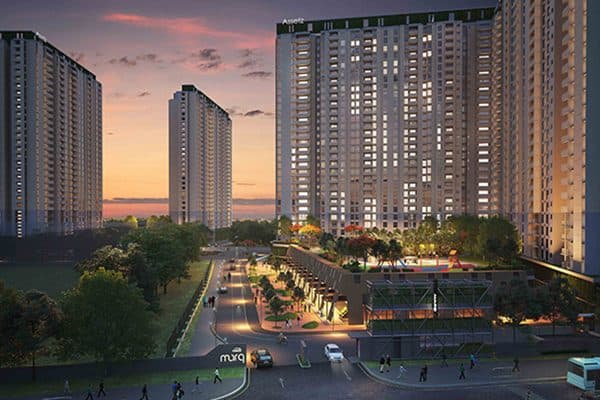
ready to_move
90Anvi Score
Assetz Marq - Resale
Whitefield, Bangalore
₹2.50 Cr
Onwards
3BHK, 4BHK, 2BHK1 sqft

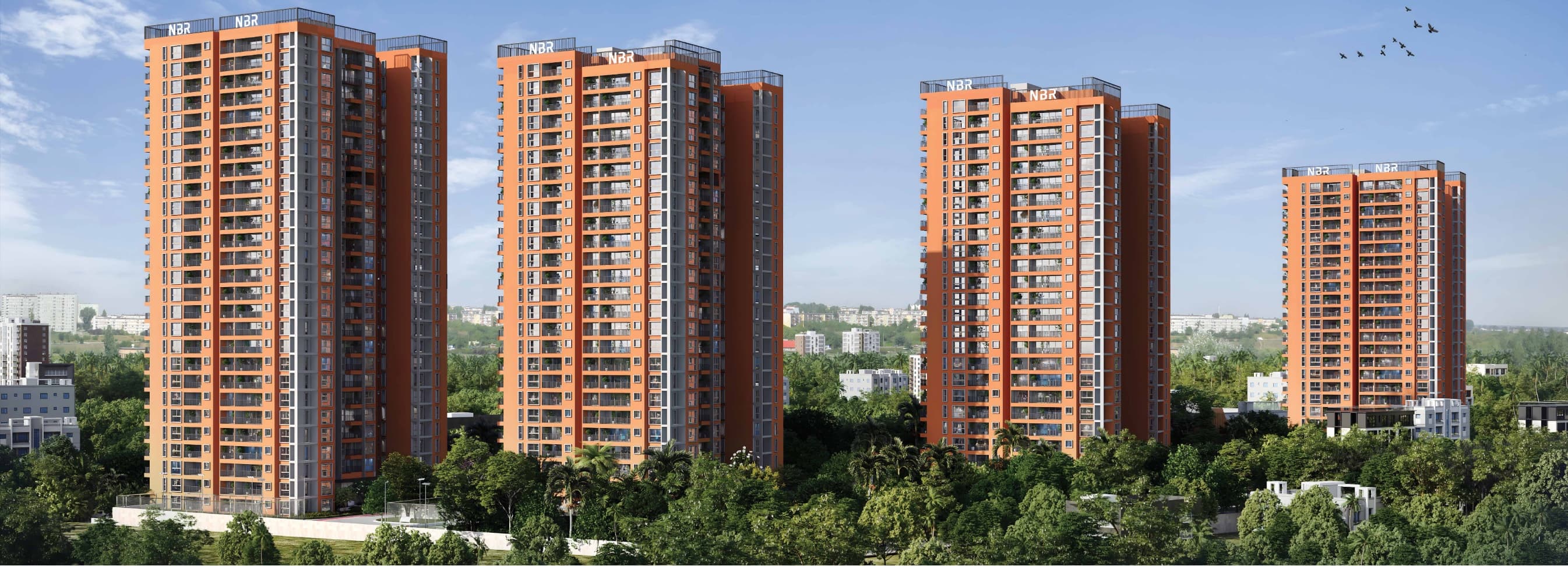
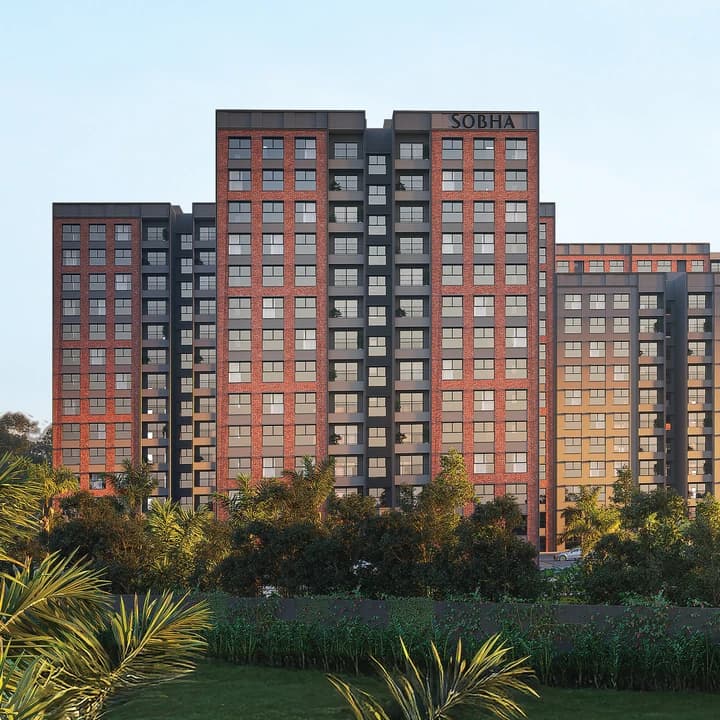

under construction
85Anvi Score
Brigade Citrine
Budigere Cross, Bangalore
₹2.07 Cr
Onwards
3BHK, 4BHK1738 sqft
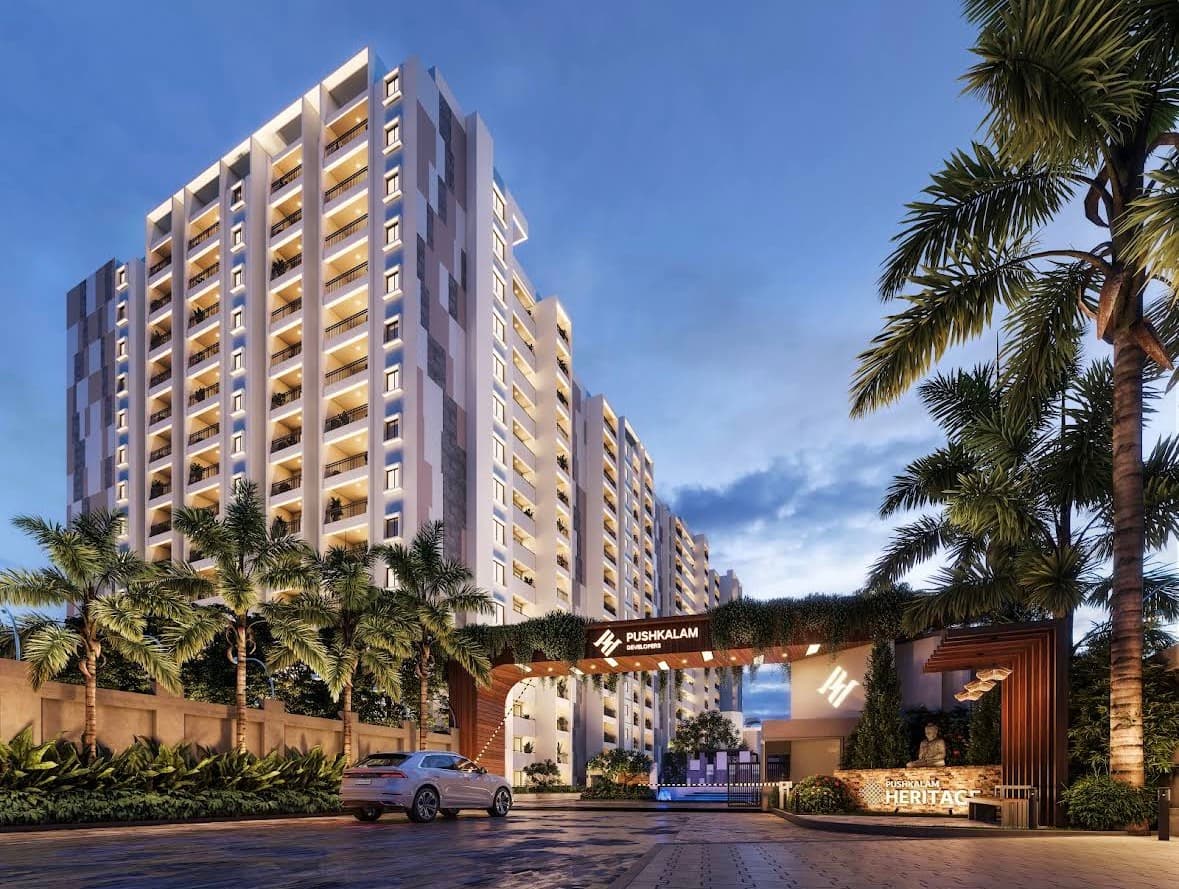
under construction
80Anvi Score
Pushkalam Heritage
Budigere Cross, Bangalore
₹1.30 Cr
Onwards
2BHK, 3BHK1310 sqft
Pre-EMI questions, answered
The things buyers actually ask us before signing an under-construction booking form.
What is Pre-EMI in a home loan?
Pre-EMI is the interest-only payment you make to the bank while your property is still under construction. Because the loan has been disbursed but possession has not happened, the lender charges you only the interest on the outstanding amount — no principal is repaid. Once you take possession, the pre-EMI stops and your regular full EMI begins.
How is Pre-EMI calculated?
Pre-EMI equals the disbursed loan amount multiplied by the monthly interest rate. For a ₹50,00,000 loan at 7.5% per annum, the monthly rate is 7.5 ÷ 12 ÷ 100 = 0.625%, so the pre-EMI is ₹31,250 per month. There is no principal component at all, which is why pre-EMI looks so much smaller than the eventual EMI.
What is the difference between Pre-EMI and full EMI?
Pre-EMI pays only interest, so your outstanding principal on possession day is exactly what you borrowed. Full EMI pays interest plus principal from the first instalment, so the loan starts shrinking immediately. Pre-EMI is lighter month to month, but every rupee you pay during construction is interest that buys you no ownership.
Is Pre-EMI a waste of money?
Not necessarily, but it is expensive. The pre-EMI you pay across the construction period is pure interest that never reduces your loan. It can still be the right call if you are also paying rent elsewhere and cannot afford both a full EMI and that rent, or if the project is priced low enough at launch that the appreciation outweighs the interest cost. If you can afford the full EMI, starting it early almost always works out cheaper.
Can I claim tax benefit on Pre-EMI interest?
Under the old tax regime, yes (the new regime allows no interest deduction on a self-occupied home). Under Section 24(b) of the Income Tax Act, interest paid before possession — called pre-construction interest — can be claimed in five equal annual instalments beginning in the financial year you take possession. For a self-occupied property this sits inside the overall ₹2,00,000 annual interest deduction limit, which your regular EMI interest typically already uses up, so many buyers cannot claim the full amount in practice.
How long do I have to pay Pre-EMI?
Until possession or until the full loan is disbursed, whichever your lender specifies. In Bengaluru, under-construction projects typically run 30 to 42 months from launch, and delays are common. Every month of builder delay is another month of pre-EMI, which is why you should model a buffer rather than the brochure timeline.
Can I switch from Pre-EMI to full EMI before possession?
Most lenders allow it, and many buyers do exactly this once their cash flow improves. Switching to full EMI early starts amortising the principal sooner and cuts the total interest on the loan. Ask your lender about the process — it is usually a simple written request, and there is normally no charge.
Does Pre-EMI increase my total loan cost?
Yes. Pre-EMI does not extend your loan tenure, but it adds the entire construction-period interest on top of the full repayment schedule. On a ₹50 lakh loan at 7.5% with 24 months to possession, that is roughly ₹7.5 lakh of extra interest compared with starting full EMI from day one.
Do all banks offer Pre-EMI on under-construction property?
Effectively all major Indian lenders — SBI, HDFC, ICICI, Axis, LIC Housing and others — offer pre-EMI on under-construction purchases, because partial disbursement against construction milestones is the standard structure. What varies is whether they let you opt into full EMI instead, and how flexibly you can switch later.
Is Pre-EMI calculated on the full loan or only the disbursed amount?
Only on the amount actually disbursed. Lenders release money in tranches tied to construction milestones, so your pre-EMI starts small and rises with each tranche. This calculator assumes full disbursement up front, which gives you the worst-case ceiling — a deliberately conservative figure to plan against.
What does a delay in possession cost me?
One more month of pre-EMI, every month, and none of it repays the loan. On a ₹50 lakh loan at 7.5% that is ₹31,250 a month, so a six-month slip adds ₹1,87,500, on top of any rent you are paying while you wait. RERA entitles buyers to interest from the builder for delayed possession, but only if you pursue it, so keep every payment record.
What if the builder offers to pay my pre-EMI?
Some builders offer a subvention or no-pre-EMI scheme, where they pay the interest to the bank until possession. It is rarely free: the cost is usually built into the price or the payment schedule. Ask three things in writing: what the price would be without the scheme, who is liable for the interest if possession slips, and whether you still owe the bank if the builder stops paying. The loan is in your name either way.
How much will I actually pay if the bank releases the loan in slabs?
Less than the headline figure in the early months. If a ₹50 lakh loan were released in five equal slabs, the first at booking and the last on possession day, the pre-EMI would start at about ₹6,250 a month and rise to ₹25,000 over 24 months, ₹3.75 L in all against ₹7.5 L with the full loan paid out at once. Your builder's payment plan and your lender's schedule set the real figures, so plan around the headline number as a ceiling.
Keep planning
Home Loan EMI Calculator
Work out the full EMI that starts once you take possession.
Home Loan OD Calculator
See how parking surplus cash in an overdraft account cuts interest.
Hidden Costs Calculator
GST, stamp duty, registration and the charges nobody quotes upfront.
Rent vs Buy Calculator
Paying rent and pre-EMI together? Find out if buying still wins.
Stamp Duty Calculator
Estimate stamp duty and registration charges on your purchase.
AI Investment Score
Score the project you are buying into before you commit to pre-EMI.