Financial Tools · Resale
Resale Value Calculator.
What could your property sell for when you exit, and what would you be left with after costs and tax? Shown as a range, because growth is a guess.
Your property
What it could sell for
In 5 years it could sell for
₹73.47 L
At 8% a year, 1.47× today's ₹50 L. If growth is 5% it is ₹63.81 L; at 11%, ₹84.25 L.
If 5%
₹63.81 L
Your 8%
₹73.47 L
If 11%
₹84.25 L
In today's money that is about ₹57.56 L
Prices in general rise too (taken as 5% a year here), so ₹73.47 L in 5 years buys what ₹57.56 L buys today. After inflation your 8% growth is about 2.9% a year.
What you would be left with after selling
At your 8% growth, selling in 5 years. The tax is an estimate, not advice.
- Sale price
- ₹73,46,640
- Costs of selling (2%)
- − ₹1,46,933
- Tax on the gain, at most
- − ₹4,41,962
- You are left with
- ₹67,57,746
- Over the ₹38 L you paid
- + ₹29.58 L
A long-term gain: tax of up to about 13%
You would have held it 8 years. A long-term gain on property is taxed at 12.5% plus 4% cess, on a gain of ₹34 L here. If you bought before 23 July 2024 you may be able to choose the older method (20% with indexation), which can come out lower, and putting the gain into another home or specified bonds can reduce it. Surcharge is not included. Confirm with a CA before you plan around it.
Value, year by year
Your growth rate in the middle, with the low and high cases either side.
View the same figures as a table
| Year | If 5% | Your 8% | If 11% |
|---|---|---|---|
| 1 | ₹52.50 L | ₹54.00 L | ₹55.50 L |
| 2 | ₹55.13 L | ₹58.32 L | ₹61.61 L |
| 3 | ₹57.88 L | ₹62.99 L | ₹68.38 L |
| 4 | ₹60.78 L | ₹68.02 L | ₹75.90 L |
| 5 | ₹63.81 L | ₹73.47 L | ₹84.25 L |
What moves a resale price
Prime proximity
Homes near work, metro and schools tend to hold value best.
Asset category
Land often grows faster than the building on it, which ages.
Infrastructure
New roads, metro lines and employers can lift a micro-market.
Condition and age
A well-kept, newer building sells faster and for more.
Free advisory
₹73.47 L on exit? That depends on what you buy.
Appreciation is not a property-wide constant — it is the location, the builder and the supply pipeline around you. AnviRealty scores every Bengaluru project on exactly those fundamentals, so the growth rate you just modelled has something real behind it.
Brokerage
ZERO
RERA
VERIFIED
Projects analysed
BENGALURU-WIDE
Built to appreciate
Browse all listingsBengaluru projects with room to grow.
Appreciation is a property-by-property question, not a city-wide rate. These are RERA-verified Bengaluru projects, each scored on location, builder track record and rental fundamentals.
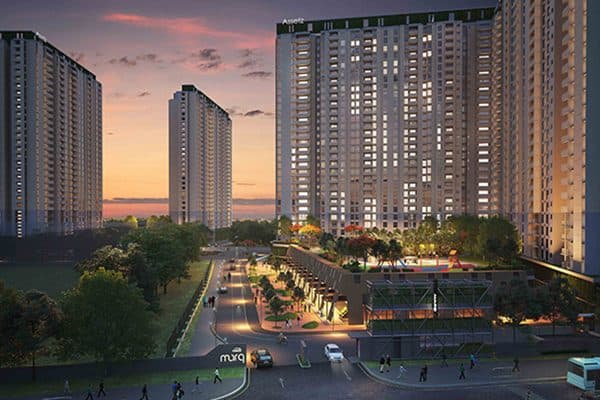
ready to_move
90Anvi Score
Assetz Marq - Resale
Whitefield, Bangalore
₹2.50 Cr
Onwards
3BHK, 4BHK, 2BHK1 sqft

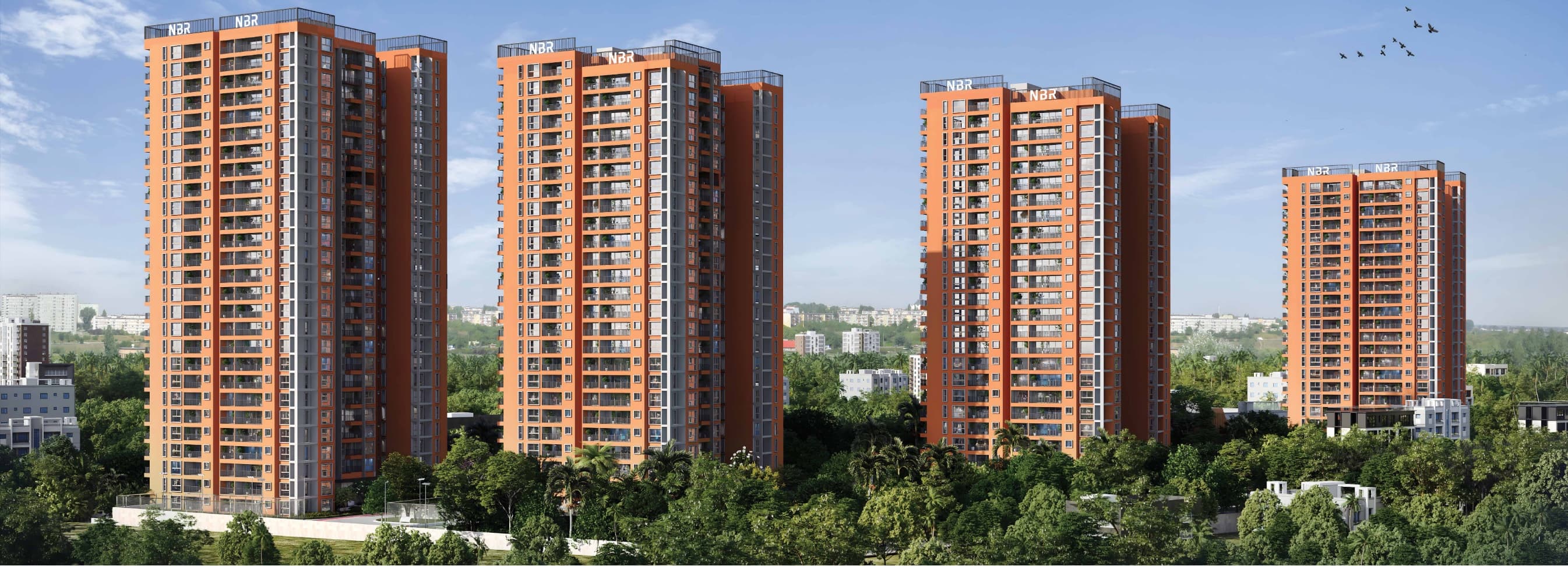
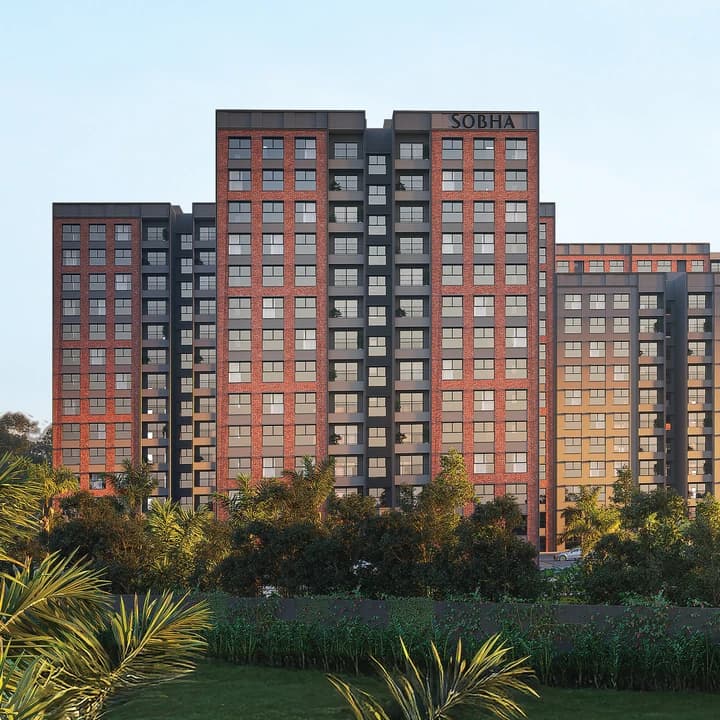

under construction
85Anvi Score
Brigade Citrine
Budigere Cross, Bangalore
₹2.07 Cr
Onwards
3BHK, 4BHK1738 sqft
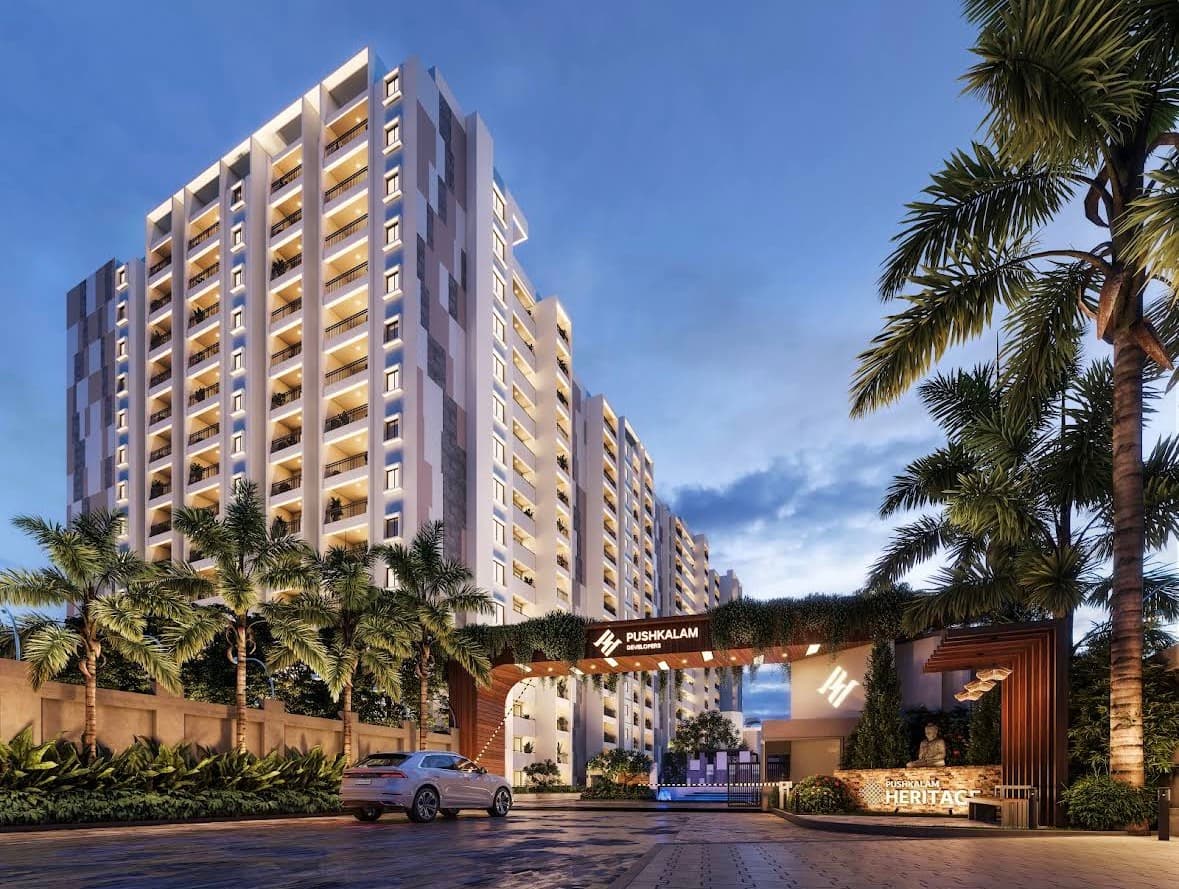
under construction
80Anvi Score
Pushkalam Heritage
Budigere Cross, Bangalore
₹1.30 Cr
Onwards
2BHK, 3BHK1310 sqft
Resale value questions, answered
Key factors that drive property appreciation and how to estimate future resale value.
What factors most influence a property's resale value?
The most important factors are location and connectivity (proximity to metro stations, IT corridors, airports), builder reputation and construction quality, the micromarket's supply-demand dynamics, overall infrastructure development in the area, and the age and condition of the building at the time of resale.
How is property appreciation calculated?
Appreciation is typically expressed as CAGR (Compound Annual Growth Rate). If a property bought at ₹60 lakh is worth ₹1 Cr after 5 years, the CAGR is approximately 10.8%. This calculator uses a projected CAGR based on your inputs to estimate future value. Actual appreciation depends on market conditions at the time of sale.
Do under-construction properties appreciate more than ready-to-move ones?
Under-construction properties are typically priced 15–25% lower than comparable ready-to-move units at the time of launch. As construction progresses and the project nears completion, prices rise. This built-in appreciation is a key reason investors prefer early-stage launches — though it comes with execution risk.
How does location within a city affect appreciation?
Micro-location matters enormously. Properties within 500m of a metro station, on a main arterial road, or in an established IT corridor consistently appreciate faster. Peripheral areas with upcoming infrastructure (planned metro lines, ring roads, airports) often offer the highest appreciation potential but with a longer wait time.
What costs reduce my net profit when I sell a property?
Three things come off the sale price: brokerage and paperwork (usually 1% plus 18% GST, so about 2% in all), any dues to the society, and tax on the gain. A gain on property held more than 2 years is long-term and, for sales on or after 23 July 2024, is taxed at 12.5% plus 4% cess, with no indexation. If you bought before that date you may be allowed to choose the older method of 20% with indexation instead, which can come out lower. A gain on property held 2 years or less is added to your income and taxed at your slab rate. The gain is the sale price less selling costs less what you paid, including stamp duty, registration and improvements. This calculator's tax figure is a ceiling, not advice: it leaves out surcharge and the exemptions that reinvesting the gain can earn, so confirm it with a CA.
What would I be left with after selling?
Take a ₹50 lakh home that grows 8% a year and is sold in 5 years, bought for ₹38 lakh and owned for 3 years already. It sells for about ₹73.47 L. After 2% selling costs and a long-term gain taxed at up to 13%, you are left with about ₹67.58 L, against the ₹73.47 L sale price. The calculator works the same way for your own numbers.
Is there a minimum holding period I should target?
For tax, holding a property for more than 2 years makes the gain long-term, which is taxed at a much lower flat rate than a short-term gain at your slab. For returns, real estate typically needs 5–7 years to meaningfully outperform once you count the costs of buying and selling, and the illiquidity. Selling just before the 2-year mark can cost you far more in tax than waiting a few months.
Keep planning
Rental Yield Calculator
Gross and net yield on a property you plan to let out.
Bangalore Rent Tracker
Locality-level rents and how they have moved year on year.
Home Loan EMI Calculator
Monthly instalment, total interest and the full repayment schedule.
Hidden Costs Calculator
GST, khata, deposits and the charges nobody quotes upfront.
AI Investment Score
Score the project you are buying into before you commit.
Stamp Duty Calculator
State-wise stamp duty and registration charges on your purchase.