Financial Tools · Hidden Costs
Hidden Costs Calculator.
GST, stamp duty, fees, deposits and interiors: the cash you need on top of the sticker price, and what the home costs to run each month.
The home you are buying
The extra cash you need
On top of the price
₹14.83 L
That is 29.6% on top of the ₹50 L price. ₹6.83 L is taxes and fees you cannot avoid; ₹8 L is moving-in cost, mostly interiors, which you control.
Cash to arrange
₹24.83 L
Down payment
₹10 L
Running cost
₹5,833/mo
Cash to arrange is your down payment plus every cost below. On an under-construction home it is paid in stages, not all at once.
Interiors & furnishing is the biggest extra
₹5 L, 34% of all the extras. It is also the one you can choose to spend less on.
GST adds ₹2.58 L
On an under-construction home GST is 5% of the price (and of parking), added to every instalment you pay the builder. A ready home with an Occupancy Certificate carries none.
Where the extra money goes
Every line, grouped by why you pay it. The bars compare each line with the biggest one.
Taxes
₹6,37,500Paid to the government. Fixed by the price, not negotiable.
- GST (5%)₹2,57,500
Added to every instalment you pay the builder.
- Stamp duty, cess & surcharge₹2,80,000
- Registration₹1,00,000
Fees
₹45,000Paid to brokers, lawyers and the lender. Often negotiable.
- Brokerage₹0
- Legal & documentation₹25,000
- Loan processing & valuation₹20,000
Moving in
₹8,00,000Deposits, parking and interiors. You decide how much of this to spend.
- Interiors & furnishing₹5,00,000
- Car parking₹1,50,000
- Society deposits & corpus₹1,00,000
- Power, water & other connections₹50,000
Stamp duty and registration come to 7.6% of the price
In Bengaluru that is 5% duty, a 10% cess and a surcharge on the duty, plus 2% registration, charged on the higher of your price and the government guidance value. See it line by line.
1% TDS applies at this price (about ₹50K)
You deduct 1% from what you pay the seller and deposit it with the tax department yourself, using Form 26QB within 30 days of the month end. The seller receives 99%. It is part of the price, not an extra cost. On an under-construction home it applies to each instalment.
After you move in
Budget about ₹5,833 a month for maintenance, property tax and insurance, on top of an EMI of about ₹32,224 (₹40 L at 7.5% for 20 years). Change the loan terms.
You also pay while it is being built
Until possession you usually pay pre-EMI, interest only, on the part of the loan the bank has released. It is not in this total. Work out the pre-EMI.
Before you pay a booking amount
- 1
Ask for the full cost sheet in writing
It should list the agreement value, GST, parking, club and maintenance deposits, and every other charge, so you can compare it with this list.
- 2
Check what the price includes
Parking, a club membership and the corpus fund are often charged on top of the agreement value. Each one raises the GST too.
- 3
Plan the cash, not just the loan
The bank lends against the price. Taxes, fees and moving-in costs come out of your own money, so count them in the down payment you need.
Free advisory
₹14.83 L on top of the sticker price. Let us check nothing is missing.
Hidden costs move with the builder, the khata type and whether the unit is primary or resale, so a generic estimate only gets you close. We will go through the actual cost sheet for the property you are considering, line by line, before you pay a booking amount.
Brokerage
ZERO
RERA
VERIFIED
Projects analysed
BENGALURU-WIDE
Priced with everything in
Browse all listingsBengaluru homes with no surprises attached.
We publish the full cost sheet before you book, not after. Every listing here is RERA-verified and scored on location, builder track record and rental fundamentals.
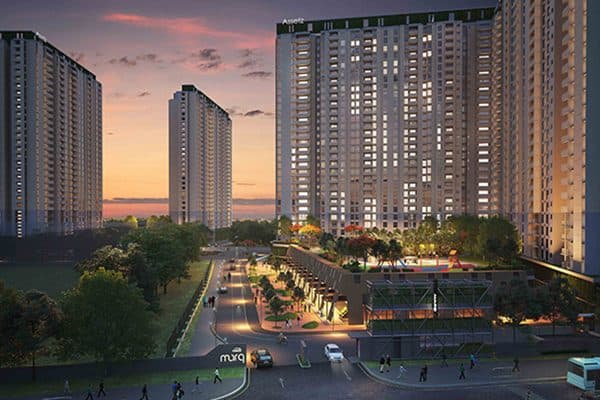
ready to_move
90Anvi Score
Assetz Marq - Resale
Whitefield, Bangalore
₹2.50 Cr
Onwards
3BHK, 4BHK, 2BHK1 sqft

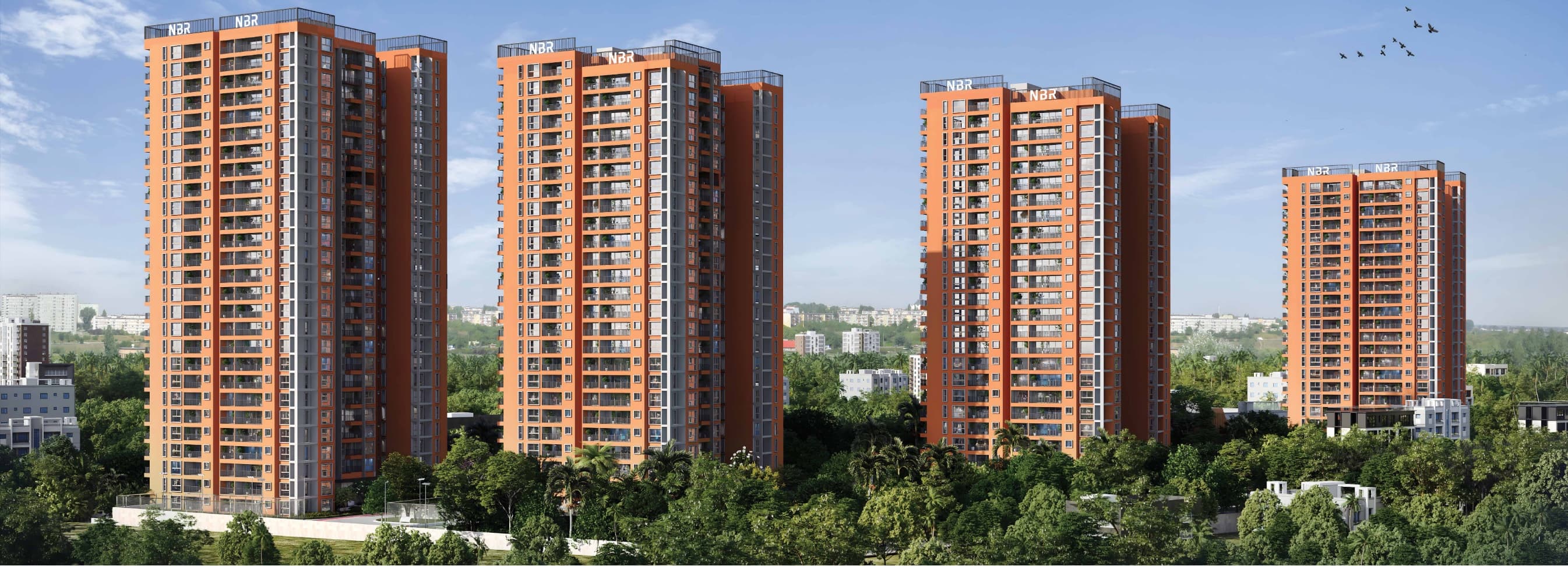
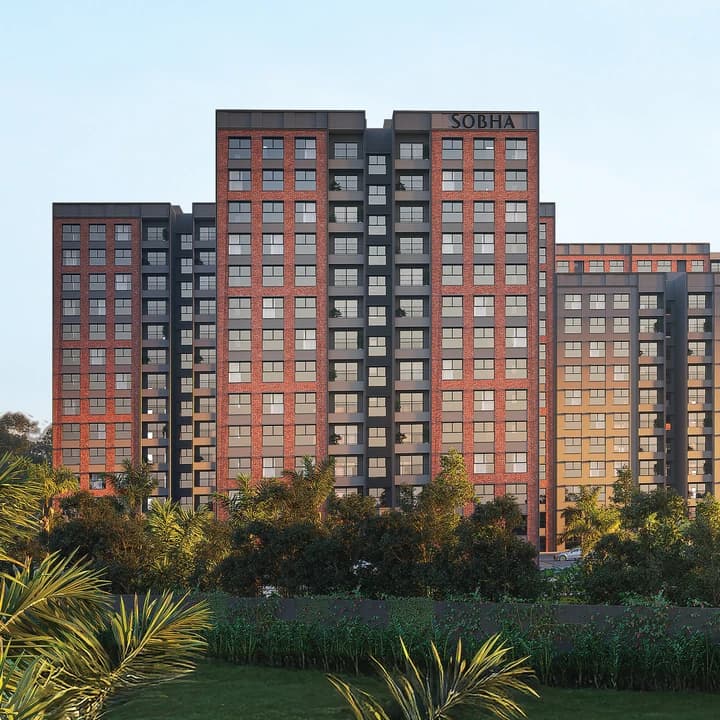

under construction
85Anvi Score
Brigade Citrine
Budigere Cross, Bangalore
₹2.07 Cr
Onwards
3BHK, 4BHK1738 sqft
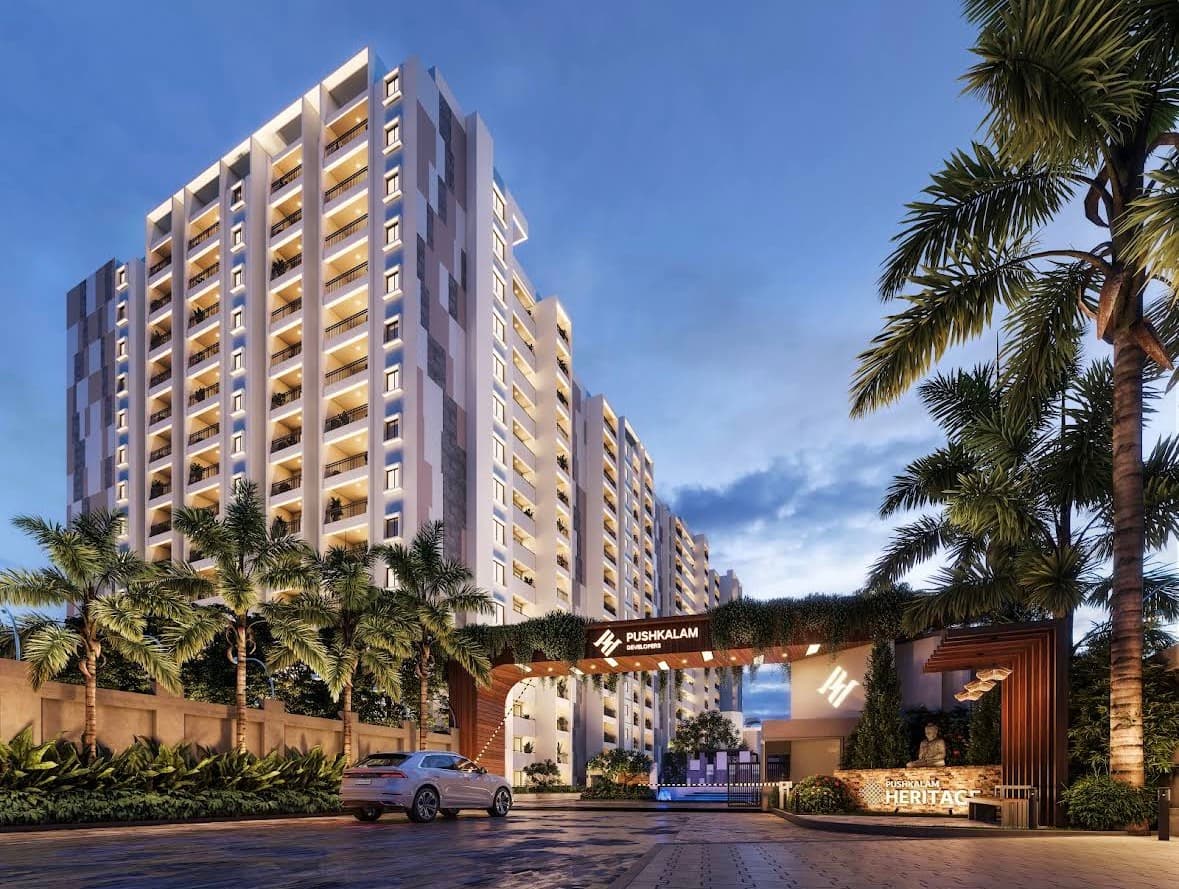
under construction
80Anvi Score
Pushkalam Heritage
Budigere Cross, Bangalore
₹1.30 Cr
Onwards
2BHK, 3BHK1310 sqft
Hidden cost questions, answered
The real cost of buying a property in India is always higher than the sticker price. Here is what to budget for.
What are the biggest hidden costs when buying a property in India?
Taxes first: stamp duty and registration (7.6% of the price in Bengaluru, 5.6% duty plus 2% registration; rates vary by state) and, on an under-construction home, 5% GST (1% for affordable housing). Then fees: brokerage on a resale (1–2% plus 18% GST), legal charges and the loan processing fee. Then moving-in costs: parking, society deposits and, usually the largest, interiors. Together these commonly add 20–30% to the price, and most of the swing is interiors, which you control.
How much cash do I need beyond the down payment?
Everything above is paid from your own money, not the loan. On a ₹50 lakh under-construction flat in Bengaluru the calculator's default assumptions give about ₹14.83 L of extras (30% of the price). With the ₹10 L down payment on an 80% loan, you need about ₹24.83 L in cash. Change any line to match your own cost sheet.
Is GST applicable on all property purchases?
No. GST applies only to under-construction homes. A ready home with an Occupancy Certificate, and any resale, carries none. For under-construction homes the effective rate is 5%, or 1% for affordable housing (up to ₹45 lakh and a carpet area of up to 60 square metres in a metro). These are the rates you pay on the agreement value, and builders usually add GST to parking and other charges in the agreement too. GST is added to each instalment, and your builder's demand letter shows the exact figure.
Is the 1% TDS on property an extra cost?
No, it is part of the price. When the price or the stamp duty value is ₹50 lakh or more, the buyer deducts 1% from what is paid to the seller and deposits it with the tax department, using Form 26QB within 30 days of the end of the month. The seller receives 99% and gets credit for the 1%. On an under-construction home it applies to each instalment. It changes your paperwork and cash flow, not the total you pay.
Who pays brokerage when I buy a flat?
On a new flat from a builder, the builder usually pays the broker, so the buyer pays nothing. On a resale it is common for each side to pay its own broker 1–2% plus 18% GST, and the rate is negotiable. The calculator assumes ₹0 for a new flat and about 1.18% of the price for a resale; you can change it.
What is the difference between the agreement value and the total property cost?
The agreement value is the price stated in your agreement with the developer. The total cost adds stamp duty, registration, GST (under construction), car parking, club membership, advance maintenance deposits and corpus funds. Builders typically charge these separately, so ask for the full cost sheet in writing before you pay a booking amount.
What interior costs should I budget for after possession?
First-time buyers often underestimate interior costs. A 2 BHK apartment in Bangalore typically requires ₹5–15 lakh for modular kitchen, wardrobes, false ceiling, flooring upgrades, curtains and basic furniture depending on the quality chosen. These are not included in the property price and are paid entirely out of pocket. The calculator assumes 10% of the price, which you can change.
Are there recurring costs I should account for beyond the EMI?
Yes: monthly society maintenance (₹2–8 per sqft depending on the project), annual property tax, home insurance and periodic repairs. For a 1,500 sqft apartment, maintenance alone can be ₹3,000–12,000 per month, which significantly adds to the true cost of ownership versus renting. The calculator shows these as a monthly figure, on top of your EMI.
Keep planning
Stamp Duty Calculator
The two largest line items here, state by state.
Home Loan EMI Calculator
Monthly instalment, total interest and the full repayment schedule.
Brokerage Calculator
Sale and rental brokerage, GST included, and who pays what.
Pre-EMI Calculator
What an under-construction home costs you before possession.
Rental Yield Calculator
Gross and net yield on a property you plan to let out.
AI Investment Score
Score the project you are buying into before you commit.